2 November 2023
Introduction
Embarking on a DIY flooring project can be exciting, offering a sense of accomplishment and potentially saving costs. However, it’s easy to fall into common pitfalls that can turn your flooring dream into a nightmare. To ensure your DIY flooring project is successful, here are four frequent mistakes you should avoid.
1. Underestimating the Importance of Proper Preparation
One of the biggest mistakes in DIY flooring is neglecting proper subfloor preparation. An adequately prepared subfloor can lead to unevenness, squeaks, and premature wear of your new flooring. Ensure you clean, level, and thoroughly inspect your subfloor before installation.
2. Choosing the Wrong Flooring Material
Selecting the correct type of flooring for your space can be beneficial. Consider the room’s usage, foot traffic, moisture exposure, and aesthetic needs. For instance, hardwood may not be suitable for a bathroom due to moisture, while carpet in a high-traffic area can wear quickly. Take time to research and choose a material that suits your specific requirements
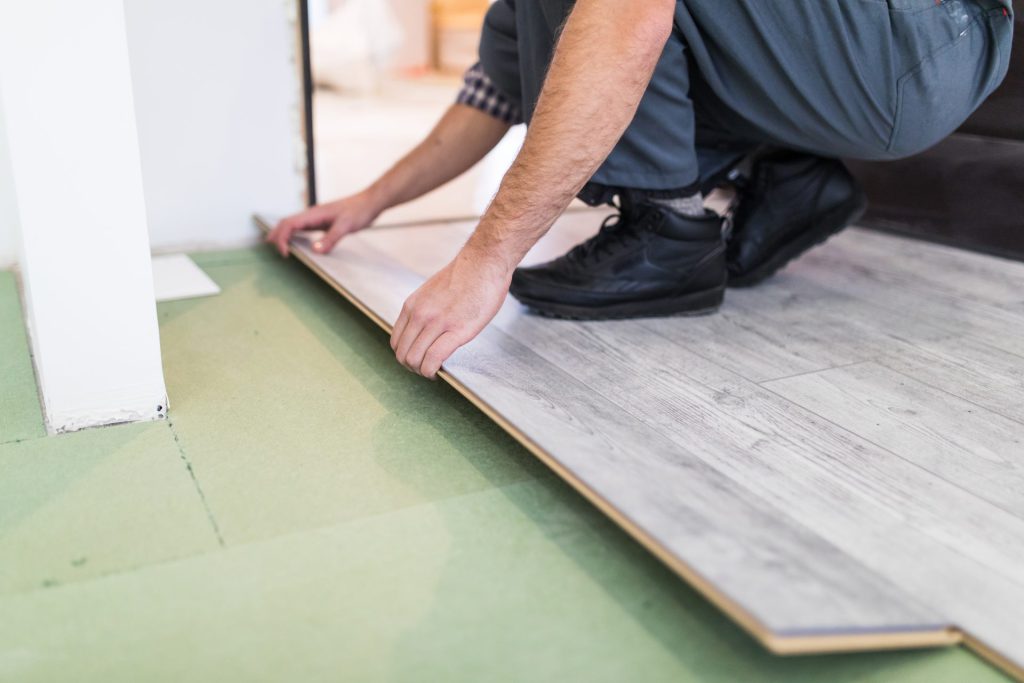
3. Ignoring Acclimation and Curing Times
Skipping the acclimation process for your flooring material can result in buckling or gaps later. Allow the flooring to adjust to your room’s conditions per the manufacturer’s guidelines. Additionally, respect the curing times for materials like tile sealant or polyurethane for hardwood to ensure a durable finish.
4. Improper Measuring and Cutting
Inaccurate measurements and cuts can lead to wasted materials and a poor finish. Precision is key in flooring installation, so measure carefully and use the right tools for accurate cutting. This ensures a professional look and minimizes material wastage.
Conclusion
While DIY flooring projects can be rewarding and cost-effective, avoiding these common mistakes is crucial for a successful outcome. Remember, proper preparation, choosing the suitable material, respecting acclimation and curing times, and precise measuring and cutting are essential steps. If you’re ever in doubt, consult a professional or consider hiring an expert to ensure the best results for your flooring project.
The content in this blog post is meant for informational purposes only and should not be considered a substitute for professional flooring installation services or advice.